
Defense Systems
Key challenges
How Castle Shield Secures Defense Systems
We secure defense systems by enabling strong authentication and secure communication in high-risk and disconnected environments. Using hardware-based tokens, biometrics, and challenge-response mechanisms, identity can be verified without relying on stored data. Communication is protected with noise-resistant encryption, ensuring reliability even in contested or jammed environments, while eliminating risks of spoofing or unauthorized access.
Autonomous Systems

Key challenges
How Castle Shield Secures Autonomous Systems
We secure autonomous systems by embedding trust directly into devices and communications. Each system generates encryption keys locally using hardware-based entropy, removing the need for centralized key storage. Secure communication channels and access controls ensure that only authorized entities can interact with the system, even in high-noise or distributed environments, protecting both data and operational integrity.
Telecom
Key challenges
How Castle Shield Secures Telecom
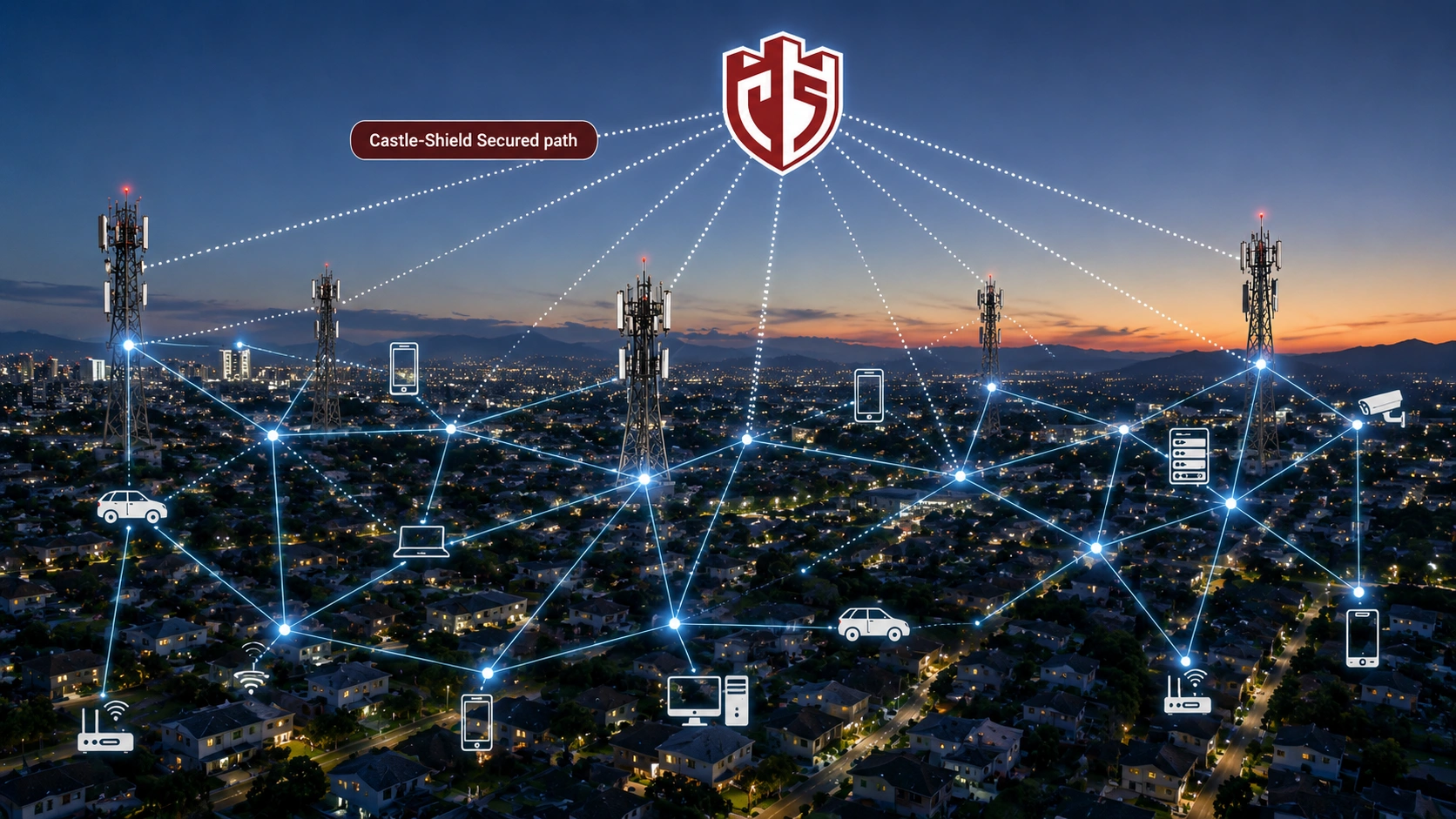
We secure communication systems by generating high-entropy encryption keys in real time and applying them at the session level. This ensures that each communication channel is uniquely protected, preventing interception and maintaining data integrity during transmission. By removing reliance on static keys, we reduce the risk of long-term compromise and enable secure, continuous communication.
Fintech
Key challenges
How Castle Shield Secures Fintech
We secure financial systems by protecting transactions, identities, and sensitive data at every step. Users are authenticated without storing credentials, while transactions are encrypted using one-time-use keys to prevent tampering. Access to systems and data is tightly controlled, ensuring that only authorized users can perform critical operations, reducing fraud and strengthening trust across financial workflows.
Healthcare
Key challenges
How Castle Shield Secures Healthcare
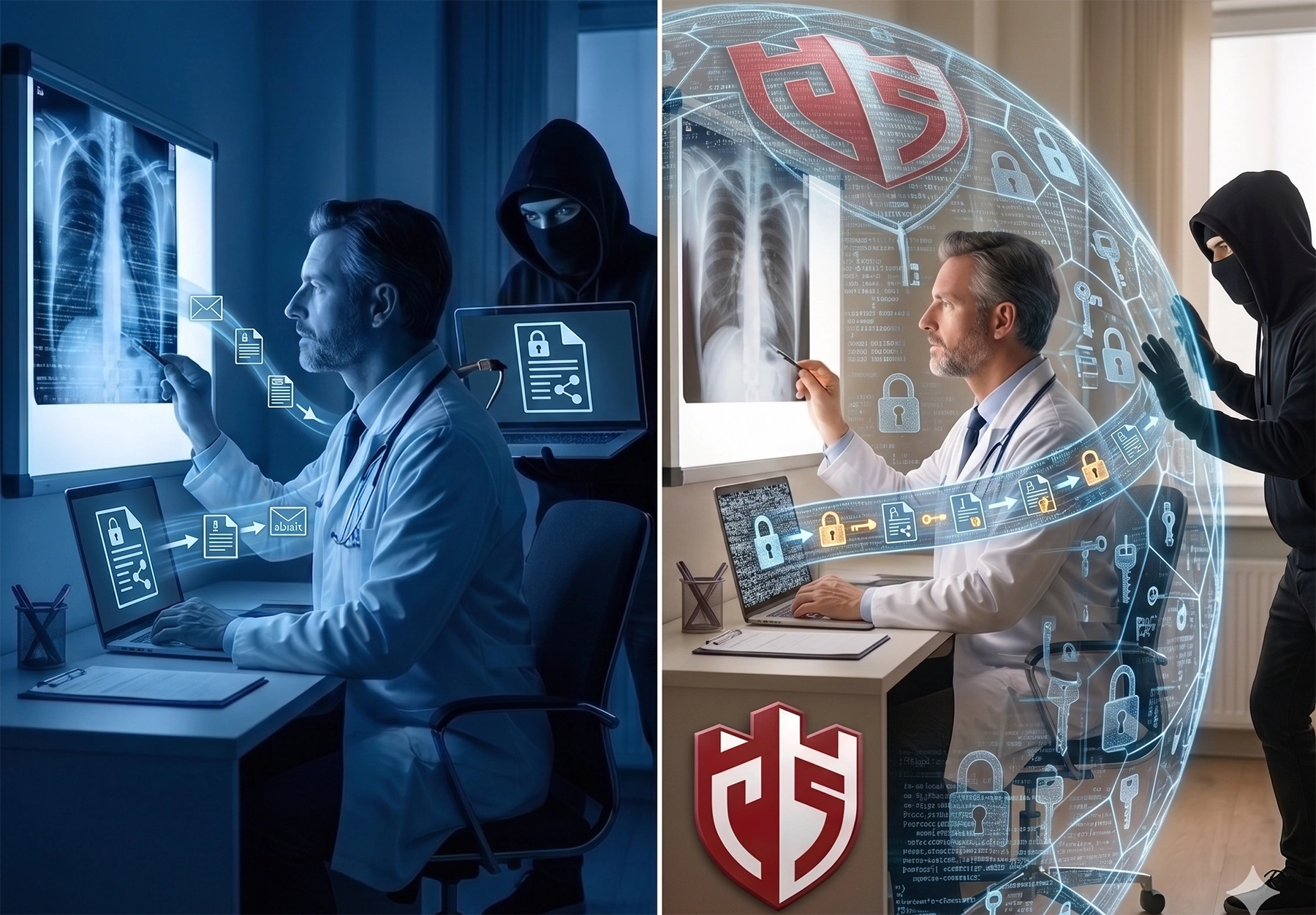
We secure healthcare systems by giving patients and providers full control over medical data without relying on stored keys or credentials. Identity is verified through token-based and biometric authentication, while sensitive records are encrypted using dynamically generated keys. Access to data, such as medical abstracts or full records, is granted intentionally and can be revoked at any time, ensuring secure collaboration between providers while maintaining data integrity and privacy.
Enterprise Security
Key challenges
How Castle Shield Secures Enterprise Security
We secure enterprise environments by protecting data, users, and internal workflows without relying on stored credentials. Files are encrypted at rest using dynamically generated keys, while access is controlled through role- and department-based permissions. Authentication is handled through tokens and biometrics, ensuring that only verified users can access sensitive data, while reducing risks from insider threats and credential compromise.
Defense System
Key challenges
How Castle Shield Secures Defense Systems
We secure defense systems by enabling strong authentication and secure communication in high-risk and disconnected environments. Using hardware-based tokens, biometrics, and challenge-response mechanisms, identity can be verified without relying on stored data. Communication is protected with noise-resistant encryption, ensuring reliability even in contested or jammed environments, while eliminating risks of spoofing or unauthorized access.
Autonomous Systems
Key challenges
How Castle Shield Secures Autonomous Systems
We secure autonomous systems by embedding trust directly into devices and communications. Each system generates encryption keys locally using hardware-based entropy, removing the need for centralized key storage. Secure communication channels and access controls ensure that only authorized entities can interact with the system, even in high-noise or distributed environments, protecting both data and operational integrity.
Telecom
Key challenges
How Castle Shield Secures Telecom
We secure communication systems by generating high-entropy encryption keys in real time and applying them at the session level. This ensures that each communication channel is uniquely protected, preventing interception and maintaining data integrity during transmission. By removing reliance on static keys, we reduce the risk of long-term compromise and enable secure, continuous communication.
Fintech
Key challenges
How Castle Shield Secures Fintech
We secure financial systems by protecting transactions, identities, and sensitive data at every step. Users are authenticated without storing credentials, while transactions are encrypted using one-time-use keys to prevent tampering. Access to systems and data is tightly controlled, ensuring that only authorized users can perform critical operations, reducing fraud and strengthening trust across financial workflows.
Healthcare
Key challenges
How Castle Shield Secures Healthcare
We secure healthcare systems by giving patients and providers full control over medical data without relying on stored keys or credentials. Identity is verified through token-based and biometric authentication, while sensitive records are encrypted using dynamically generated keys. Access to data, such as medical abstracts or full records, is granted intentionally and can be revoked at any time, ensuring secure collaboration between providers while maintaining data integrity and privacy.
Enterprise Security
Key challenges
How Castle Shield Secures Enterprise Security
We secure enterprise environments by protecting data, users, and internal workflows without relying on stored credentials. Files are encrypted at rest using dynamically generated keys, while access is controlled through role- and department-based permissions. Authentication is handled through tokens and biometrics, ensuring that only verified users can access sensitive data, while reducing risks from insider threats and credential compromise.